
Daant Ka Dard Ignore Karna Dangerous Ho Sakta Hai

Kya Aap Daant Ke Dard Ko Sirf Ek Choti Problem Samajh Rahe Hain?

Bahut log sochte hain ki daant ka dard kuch time baad khud theek ho jayega. Kuch log painkiller lekar ya ghar ke nuskhe use karke problem ko ignore kar dete hain. Lekin reality ye hai ki daant ka dard kabhi bhi bina wajah nahi hota.

Daant mein dard infection, cavity, gum disease, wisdom tooth issue, ya nerve damage ka signal ho sakta hai. Agar ise time par treat na kiya jaye, to ye problem aur dangerous ho sakti hai.

Isliye “daant ka dard ignore karna dangerous ho sakta hai” sirf ek warning nahi, balki ek important health alert hai.


Daant Mein Dard Hone Ke Common Karan

1. Tooth Cavity Ya Keeda Lagna

Jab daant mein cavity develop hoti hai aur treatment nahi hota, to bacteria andar tak pahunch jate hain. Isse severe pain aur sensitivity shuru ho sakti hai.

Symptoms:

  • Thanda-garam lagna
  • Chabane mein dard
  • Black spots on teeth
  • Sweet khane par pain

2. Gum Infection

Kabhi-kabhi pain daant mein nahi, gums mein infection ki wajah se hota hai.

Signs:

  • Gums se blood aana
  • Swelling
  • Bad breath
  • Pus formation

Agar gum infection ignore kiya jaye to daant hilne bhi lag sakte hain.


3. Wisdom Tooth Problem

Wisdom tooth jab properly bahar nahi aata to severe pain aur swelling create karta hai.

Wisdom Tooth Symptoms:

  • Jaw pain
  • Mouth open karne mein dikkat
  • Ear pain
  • Swollen gums

4. Tooth Nerve Damage

Agar cavity bahut deep ho jaye to infection nerve tak pahunch sakta hai. Is situation mein root canal treatment ki zarurat pad sakti hai.


Daant Ka Dard Ignore Karne Ke Dangerous Effects

Infection Body Mein Fail Sakta Hai

Untreated dental infection kabhi-kabhi face swelling aur serious health complications tak pahunch sakta hai.

Severe Pain Aur Emergency Situation

Starting mein halka pain hota hai, lekin baad mein unbearable pain ho sakta hai.

Tooth Loss Ka Risk

Agar treatment delay hota rahe, to affected tooth nikalna bhi pad sakta hai.

Expensive Treatment

Early cavity filling cheap hoti hai, lekin delay karne par root canal ya extraction ka cost badh jata hai.


Kab Dentist Ke Paas Jana Chahiye?

Aapko immediately dentist se consult karna chahiye agar:

  • Pain 2 din se zyada rahe
  • Face swelling ho
  • Fever aaye
  • Pus dikhe
  • Chewing difficult ho
  • Bleeding gums ho

Ghar Ke Nuskhe Temporary Relief De Sakte Hain

Salt water rinse, clove oil ya cold compress temporary relief de sakte hain, lekin ye permanent treatment nahi hain.

Actual problem diagnose karna bahut important hota hai.


Daant Ko Healthy Kaise Rakhein?

Daily Oral Care Tips

  • Din mein 2 baar brushing
  • Floss use karein
  • Sugary foods kam karein
  • Regular dental checkup karwayein
  • Smoking avoid karein

Conclusion

Daant ka dard ek warning sign hota hai jise ignore nahi karna chahiye. Early treatment se infection, severe pain aur expensive procedures avoid kiye ja sakte hain.

Agar aapko regular tooth pain, swelling ya sensitivity ho rahi hai, to delay na karein aur dentist se consult karein.


FAQs

Kya daant ka dard khud theek ho sakta hai?

Kabhi-kabhi temporary relief mil sakta hai, lekin actual cause ka treatment zaruri hota hai.

Tooth pain mein kaunsa treatment hota hai?

Treatment cavity filling, cleaning, root canal, ya extraction ho sakta hai depending on problem.

Kya wisdom tooth pain dangerous hota hai?

Haan, agar infection ya swelling ho to treatment zaruri hota hai.

Daant dard mein ghar ka nuskha kaafi hai?

Nahi, home remedies sirf temporary relief dete hain.
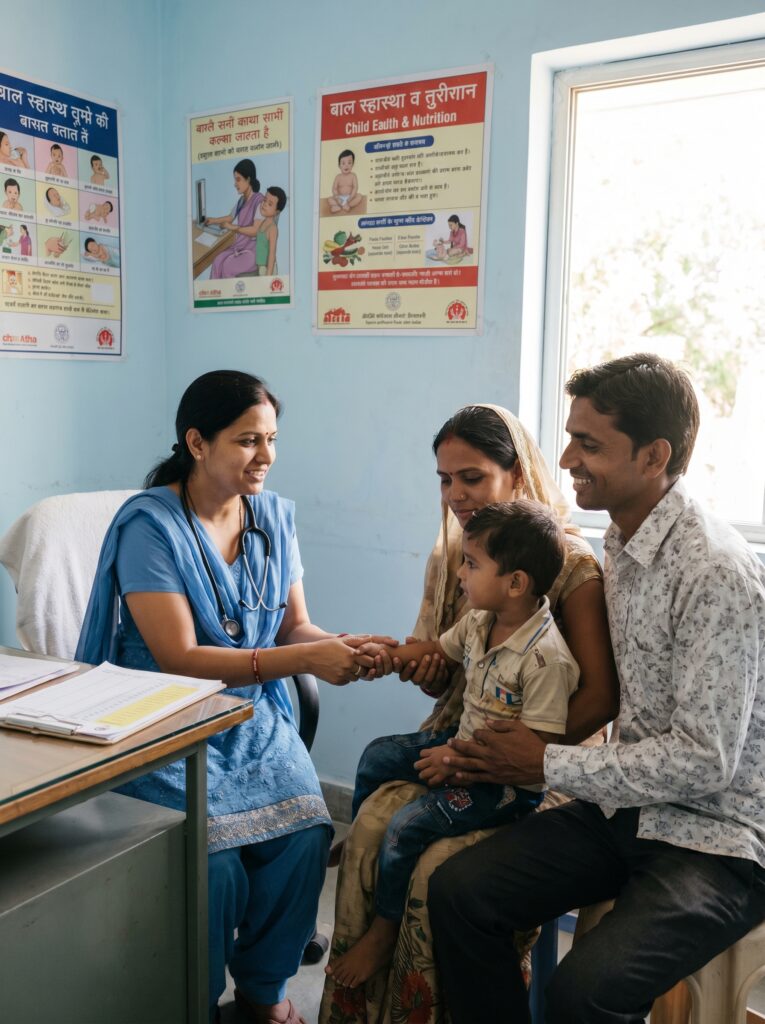
Aapka Baccha Naam Sunke Respond Nahi Karta? Kya Ye Autism Ya Speech Delay Ka Sign Ho Sakta Hai?

Agar aap baar-baar apne bacche ka naam bulate hain aur woh response nahi karta, eye contact avoid karta hai, ya apni hi duniya mein rehta hai, toh naturally parents ko tension hone lagti hai. Bahut se parents pehle ise “ziddi nature” ya “late bolna” samajhkar ignore kar dete hain. Lekin kuch cases mein ye speech delay, autism symptoms in toddlers, ya kisi developmental concern ka early sign bhi ho sakta hai.

Sabse important baat ye hai ki panic karne ki zarurat nahi hai — lekin early assessment aur timely intervention bahut zaruri hota hai.

Is blog mein hum samjhenge:

  • Baccha naam sunke respond kyun nahi karta
  • Normal behavior aur developmental concern mein difference
  • Autism ke early signs
  • Speech delay treatment options
  • Parents ghar par kya kar sakte hain
  • Kab therapist ya child specialist se consult karna chahiye

Baccha Naam Sunke Respond Nahi Karta — Kya Ye Normal Hai?

Har baccha alag speed se develop karta hai. Kuch children naturally thoda late respond karte hain, especially jab woh kisi activity mein busy ho. Lekin agar:

  • Baccha baar-baar naam lene par bhi react nahi karta
  • Eye contact bahut kam karta hai
  • Apne parents ki taraf rarely dekhta hai
  • Instructions follow nahi karta
  • Speech delay bhi saath mein hai

toh ye developmental assessment ka indication ho sakta hai.

Especially 1.5 se 3 saal ke age group mein parents ko early signs observe karne chahiye.


Early Signs Parents Ko Ignore Nahi Karne Chahiye

Kai parents sirf “bolne mein delay” ko notice karte hain, lekin developmental concerns sirf speech tak limited nahi hote.

Kuch Important Signs:

  • Naam lene par response na dena
  • Eye contact avoid karna
  • Dusre bachchon ke saath interact na karna
  • Pointing ya gestures ka use na karna
  • Same activities repeat karna
  • Loud sounds ya touch se unusual reaction
  • Delayed speech development
  • Parents ke emotions ko less respond karna

Ye sab signs har child mein autism ka matlab nahi hote, lekin professional evaluation helpful hota hai.


Autism Symptoms in Toddlers Kaise Pehchane?

Bahut se parents Google par search karte hain:

  • “autism ke lakshan”
  • “2 saal ka baccha bol nahi raha”
  • “baccha eye contact nahi karta”
  • “speech delay treatment near me”

Autism Spectrum Disorder (ASD) ek developmental condition hai jo communication, behavior aur social interaction ko affect karti hai.

Common Autism Symptoms in Toddlers

1. Naam Sunke Respond Na Karna

Baccha hearing normal hone ke bawajood response avoid karta hai.

2. Eye Contact Kam Hona

Parent se baat karte waqt aankhon mein kam dekhna.

3. Speech Delay

Words late aana ya bilkul speech develop na hona.

4. Repetitive Behaviors

Same toys line mein lagana, spinning objects dekhna, repetitive hand movements.

5. Social Interaction Difficulty

Dusre children ya family members ke saath connection avoid karna.

Early diagnosis aur early intervention therapy kaafi positive outcomes la sakti hai.


Speech Delay Aur Autism Mein Kya Difference Hai?

Har speech delay autism nahi hota.

Kuch children mein sirf language development slow hota hai, jabki autism mein communication ke saath social interaction aur behavior differences bhi hote hain.

Sirf Speech Delay Mein:

  • Baccha eye contact karta hai
  • Parents ke emotions samajhta hai
  • Social interaction normal hota hai
  • Naam lene par response karta hai

Autism Related Concerns Mein:

  • Eye contact reduced ho sakta hai
  • Social engagement kam hota hai
  • Response inconsistency hoti hai
  • Repetitive behaviors dikh sakte hain

Isi liye accurate developmental assessment bahut important hai.


Baccha Bolta Nahi — Parents Kya Kare?

Agar aapka child speech delay show kar raha hai, toh sabse pehle comparison avoid karein.

“Sharma ji ka baccha jaldi bolne laga” type comparisons parents aur child dono ke liye stressful hote hain.

Ghar Par Helpful Activities:

Bacche Se Zyada Baatein Karein

Simple daily language use karein:

  • “Ball lao”
  • “Mumma aa gayi”
  • “Water chahiye?”

Screen Time Kam Karein

Excess mobile exposure speech development ko affect kar sakta hai.

Interactive Play Karein

Songs, rhymes, pretend play communication improve karte hain.

Eye Contact Encourage Karein

Face-to-face interaction increase karein.

Child Ko Observe Karein

Uske reactions aur communication attempts notice karein.

Lekin agar concerns continue ho rahe hain, toh professional assessment delay nahi karna chahiye.


Early Intervention Therapy Itni Important Kyun Hai?

Developmental therapy mein timing bahut important hoti hai.

Early years mein child ka brain rapid learning stage mein hota hai. Isi wajah se early support ka impact zyada effective hota hai.

Early Intervention Benefits:

  • Communication improvement
  • Better social skills
  • Improved attention span
  • Behavioral regulation
  • School readiness support
  • Parent guidance

Jitni jaldi therapy start hoti hai, utne better long-term outcomes possible hote hain.


Kaunsi Therapies Helpful Ho Sakti Hain?

Child ki assessment ke basis par different therapies recommend ki ja sakti hain.

Speech Therapy for Kids

Helpful for:

  • Speech delay
  • Language understanding issues
  • Communication development

Occupational Therapy for Children

Helpful for:

  • Sensory issues
  • Attention difficulties
  • Daily activity skills
  • Motor coordination

Behavioral Therapy

Helpful for:

  • Social interaction
  • Emotional regulation
  • Learning behaviors

Child Development Therapy

Overall developmental milestones improve karne mein support karti hai.


Parents Ko Kab Specialist Se Consult Karna Chahiye?

Aapko professional consultation consider karna chahiye agar:

  • 12 months tak naam sunke response minimal ho
  • 18 months tak meaningful words develop na ho
  • Eye contact bahut limited ho
  • Child social interaction avoid karta ho
  • Speech regression ho raha ho
  • Behavioral concerns visible ho

Early evaluation parents ko clarity aur direction deta hai.


Gohana Aur Nearby Areas Mein Child Therapy Support

Aaj kal Haryana ke semi-urban areas mein bhi parents developmental concerns ke liye actively help search kar rahe hain.

Families from:

  • Gohana
  • Sonipat
  • Panipat
  • Rohtak
  • Jind

often search for:

  • autism therapy in Gohana
  • speech therapy for kids
  • child psychologist in Gohana
  • occupational therapy for children

Local trusted therapy support parents ke liye emotionally aur practically dono helpful hota hai.


Why Parents Choose Roshni Healthcare Gohana

Roshni Healthcare Gohana focuses on child-centered developmental support with compassionate care for families dealing with:

  • Speech delay
  • Autism symptoms in toddlers
  • Behavioral concerns
  • Occupational therapy needs
  • Early intervention therapy

Parents ko sirf treatment nahi, guidance aur emotional support bhi diya jata hai — jo developmental journey mein equally important hota hai.

Services Include:

  • Child developmental assessment
  • Speech therapy for kids
  • Occupational therapy
  • Behavioral therapy
  • Parent counseling
  • Early intervention programs

Frequently Asked Questions (FAQs)

Kya naam sunke respond na karna autism ka sign hai?

Kabhi-kabhi ye normal distraction bhi ho sakta hai, lekin agar consistently response missing ho aur saath mein speech ya social concerns bhi ho, toh assessment recommended hota hai.

2 saal ka baccha bol nahi raha — kya kare?

Speech evaluation aur developmental screening karwana helpful hota hai. Early intervention delay nahi karni chahiye.

Speech delay treatment effective hota hai?

Haan, many children speech therapy aur early intervention se significant improvement show karte hain.

Autism symptoms kis age mein dikhne lagte hain?

Early signs usually 12–24 months ke beech noticeable ho sakte hain.

Screen time speech delay cause karta hai?

Excessive screen exposure communication development ko negatively impact kar sakta hai, especially toddlers mein.


Conclusion

Agar aapka baccha naam sunke respond nahi karta, speech delay show karta hai, ya eye contact avoid karta hai, toh ise ignore karna sahi approach nahi hai. Har child unique hota hai, lekin early observation aur timely assessment future development mein bahut difference la sakte hain.

Sabse important baat:
Parents ko guilty feel karne ki zarurat nahi hai.

Awareness + Early Action = Better Support for Your Child.

Agar aap developmental concerns ko lekar confused hain, toh professional guidance lena ek positive first step ho sakta hai.

Is It Too Late for Therapy? Understanding Early Support, Development, and Hope for Every Child

One of the most emotional questions parents ask after noticing developmental delays or behavioral concerns is:

“Is it too late for therapy?”

Many families spend months — sometimes years — hoping their child will naturally “catch up.” Others feel confused, afraid, or unsure about whether therapy will still help at a later stage.

The truth is:

While early intervention therapy is highly beneficial, it is never wrong to seek support for a child’s development.

Children can continue learning, growing, improving communication, and building confidence with the right therapy approach, supportive environment, and consistent guidance.

At Roshni Healthcare Gohana, many families arrive with fear and uncertainty. What they often discover is that developmental progress is possible when children receive compassionate, personalized therapy support.


Why Parents Delay Therapy

Parents delay therapy for many understandable reasons.

Some families:

  • hope delays are temporary
  • compare their child with others
  • receive conflicting advice
  • fear social judgment
  • feel emotionally overwhelmed
  • don’t recognize developmental signs early
  • are unsure where to seek help

It is common to hear:

  • “Maybe my child will start speaking later.”
  • “Boys speak late sometimes.”
  • “School will fix it.”
  • “We thought the behavior was normal.”

These concerns are extremely common among parents searching for:

  • speech therapy for children
  • occupational therapy in Gohana
  • autism therapy support
  • developmental delay treatment
  • early intervention therapy in Haryana

The important thing is not how late therapy begins.

The important thing is taking the first step toward support.


Why Early Intervention Is Helpful

Early intervention therapy supports children during important developmental stages when the brain is rapidly learning and adapting.

Early therapy may help improve:

  • communication skills
  • learning ability
  • sensory development
  • emotional regulation
  • social interaction
  • behavioral understanding

This is why developmental specialists encourage parents to seek guidance when early signs appear.

However, early intervention does not mean “late intervention” is ineffective.

Children can continue progressing at different ages depending on:

  • therapy consistency
  • family involvement
  • developmental needs
  • emotional support
  • individualized therapy planning

At Roshni Healthcare Gohana, therapy plans are created according to the child’s current developmental stage — not based on guilt about delayed therapy.


Can Older Children Still Benefit from Therapy?

Yes.

Children of different ages can benefit from therapy and rehabilitation support.

Therapy is designed to strengthen skills gradually and help children improve in areas such as:

  • communication
  • emotional expression
  • behavior regulation
  • sensory adaptation
  • social interaction
  • confidence-building
  • attention and learning

Some children begin therapy early.
Others begin later after developmental concerns become more noticeable.

What matters most is receiving the right support at the right time for the child’s individual needs.


Speech Therapy Can Help at Different Stages

Many parents worry that delayed speech therapy means their child may never improve communication skills.

But speech therapy can support children at multiple developmental stages.

Speech therapy may help with:

  • delayed speech
  • limited vocabulary
  • unclear pronunciation
  • communication confidence
  • social interaction difficulties
  • language understanding

At Roshni, speech therapy sessions are personalized and child-friendly, helping children feel comfortable while developing communication skills naturally.

Families searching for a trusted speech therapy center in Gohana often need reassurance that progress is still possible — and many children continue improving with consistent therapy support.


Occupational Therapy Supports Daily Development

Occupational therapy also benefits children across different age groups.

Children facing:

  • sensory challenges
  • poor coordination
  • hyperactivity
  • attention difficulties
  • behavioral struggles
  • motor skill delays

can improve important daily functioning skills through structured occupational therapy programs.

Therapy focuses on:

  • independence
  • focus
  • sensory regulation
  • coordination
  • participation in daily activities

Even small improvements can significantly increase a child’s confidence and comfort in school, home, and social environments.


Emotional Support for Parents Matters Too

Parents often carry feelings of guilt when therapy starts later than expected.

But blaming yourself does not help your child’s progress.

What children truly need is:

  • patience
  • encouragement
  • emotional safety
  • consistency
  • supportive guidance

At Roshni Healthcare Gohana, therapists work closely with parents to:

  • explain developmental concerns clearly
  • guide home support activities
  • create realistic therapy expectations
  • build positive parent-child interaction

Supporting families emotionally is an important part of the therapy journey.


Signs Parents Should Not Ignore

Even if a child is older, parents should still seek guidance if they notice:

  • speech delays
  • poor social interaction
  • difficulty following instructions
  • repetitive behaviors
  • emotional outbursts
  • learning difficulties
  • sensory sensitivities
  • hyperactivity or attention challenges

Professional evaluation can help identify supportive therapies and developmental strategies that improve long-term progress.


Progress Looks Different for Every Child

One important thing parents should understand is that therapy progress is different for every child.

Some children show quick improvement.
Others progress gradually over time.

Therapy is not about creating pressure.

It is about:

  • strengthening abilities
  • improving confidence
  • supporting communication
  • building independence
  • helping children participate more comfortably in daily life

At Roshni, therapy focuses on meaningful developmental support rather than unrealistic promises.


Why Families Trust Roshni Healthcare Gohana

Families searching for:

  • best therapy center in Gohana
  • child development support in Haryana
  • occupational therapy near Sonipat
  • speech therapy services
  • rehabilitation support for children

often choose Roshni because of its:

  • compassionate therapy approach
  • personalized developmental care
  • child-friendly environment
  • parent-focused guidance
  • long-term support mindset

The goal is not simply therapy sessions.

The goal is helping children and families move forward with confidence and hope.


Frequently Asked Questions

Is it ever too late to start therapy for a child?

No. While early intervention is beneficial, children can continue developing communication, behavioral, sensory, and social skills with appropriate therapy support at different ages.


Can speech therapy help older children?

Yes. Speech therapy can improve communication, language understanding, pronunciation, and social interaction skills even when started later.


Why do some parents delay therapy?

Parents may delay therapy due to confusion, fear, social stigma, lack of awareness, or hope that developmental concerns will improve naturally over time.


What therapies are available at Roshni Healthcare Gohana?

Roshni provides speech therapy, occupational therapy, behavioral therapy, developmental support, and rehabilitation-focused child care services.


How can parents support therapy progress at home?

Parents can support therapy through communication activities, emotional encouragement, structured routines, and consistent collaboration with therapists.


Conclusion

Asking for help is never too late.

Every child deserves support, understanding, and the opportunity to grow with confidence — regardless of when therapy begins.

At Roshni Healthcare Gohana, therapy is centered around compassion, developmental progress, and family support. Whether a child begins therapy early or later, the focus remains on helping them build communication, independence, emotional confidence, and meaningful life skills.

For families searching for trusted therapy and rehabilitation support in Gohana, Sonipat, and Haryana, Roshni continues to provide care that combines professional expertise with empathy and hope.

Frequently Asked Questions Parents Ask About Child Therapy & Development Support

When parents notice delays in speech, behavior, learning, or social interaction, they naturally have many questions. Concerns about therapy, child development, emotional growth, and future progress can feel overwhelming without proper guidance.

Families searching for:

  • the best therapy center in Gohana
  • speech therapy for children
  • occupational therapy support
  • autism therapy in Haryana
  • developmental delay treatment
  • early intervention therapy

often begin with one thing — questions.

At Roshni Healthcare Gohana, helping parents understand their child’s developmental needs is considered just as important as therapy itself.

This blog answers some of the most common questions parents ask about child therapy and rehabilitation support.


1. How Do I Know If My Child Needs Therapy?

This is one of the most common concerns parents have.

Every child develops differently, but some developmental signs may indicate the need for professional support.

Parents should consider evaluation if a child experiences:

  • delayed speech development
  • limited eye contact
  • difficulty responding to their name
  • trouble following instructions
  • social interaction challenges
  • hyperactivity or attention difficulties
  • repetitive behaviors
  • sensory sensitivities
  • delayed motor skills

Early developmental assessment helps identify whether therapy can support the child’s growth.

At Roshni Healthcare Gohana, therapists focus on understanding each child individually rather than labeling children quickly.


2. Is It Too Early to Start Therapy?

Many parents worry that their child may be “too young” for therapy.

In reality, early intervention therapy is often one of the most effective ways to support developmental progress.

Early support can improve:

  • communication skills
  • learning ability
  • emotional development
  • behavior regulation
  • social interaction
  • sensory adaptation

The earlier developmental concerns are addressed, the better the chances of building strong long-term progress.

This is why early intervention therapy in Haryana is becoming increasingly important for families seeking developmental support.


3. What Happens During a Child Therapy Session?

Parents often imagine therapy sessions as strict medical appointments, but child-focused therapy is designed differently.

At Roshni, therapy sessions are:

  • interactive
  • child-friendly
  • activity-based
  • emotionally supportive
  • designed around comfort and engagement

Therapists use:

  • play-based learning
  • communication activities
  • sensory exercises
  • behavioral guidance techniques
  • developmental skill-building tasks

The goal is to help children feel safe, confident, and motivated during therapy.


4. What Is Speech Therapy and How Does It Help?

Speech therapy supports children who struggle with:

  • delayed speech
  • unclear communication
  • language understanding
  • pronunciation difficulties
  • social communication challenges

Speech therapy sessions help improve:

  • verbal communication
  • listening skills
  • vocabulary development
  • confidence in speaking
  • social interaction ability

Parents searching for a speech therapy center in Gohana often seek therapy that combines expertise with patience and emotional understanding.

At Roshni, speech therapy is personalized according to each child’s communication level and developmental needs.


5. What Does Occupational Therapy Help With?

Occupational therapy focuses on helping children improve daily functional skills and sensory development.

It may support children experiencing:

  • sensory processing difficulties
  • attention challenges
  • poor motor coordination
  • handwriting struggles
  • difficulty with daily activities
  • behavioral regulation issues

Occupational therapy in Gohana at Roshni aims to improve independence, confidence, focus, and participation in everyday life.


6. Does Therapy Mean Something Is “Wrong” With My Child?

This is one of the most emotional concerns parents face.

Therapy does not define a child negatively.

Every child develops at a different pace, and some children simply need additional support to strengthen communication, behavior, learning, or sensory skills.

Therapy is about:

  • support
  • developmental guidance
  • confidence-building
  • skill development
  • emotional growth

At Roshni Healthcare Gohana, the focus is always on helping children reach their potential in a compassionate and encouraging environment.


7. Can Parents Be Involved in the Therapy Process?

Absolutely.

Parent involvement plays a major role in therapy success.

At Roshni, therapists regularly guide parents on:

  • communication strategies
  • home-based support activities
  • behavior management techniques
  • emotional encouragement
  • daily developmental routines

This creates consistency between therapy sessions and home life, helping children progress more effectively.


8. How Long Does Therapy Usually Take?

Developmental progress varies from child to child.

Some children show improvement quickly, while others need longer-term support depending on:

  • developmental stage
  • communication level
  • sensory needs
  • therapy consistency
  • family involvement

The goal is not rushed progress.

The goal is meaningful, steady, and long-term improvement that supports the child’s overall development.


9. What Makes Roshni Healthcare Gohana Different?

Many parents ask why families trust Roshni Healthcare Gohana for child therapy and rehabilitation support.

The answer lies in the center’s approach:

  • compassionate care
  • personalized therapy plans
  • child-friendly environment
  • parent guidance support
  • multidisciplinary therapy services
  • focus on emotional well-being and developmental growth

Rather than treating therapy as a routine process, Roshni focuses on understanding every child and supporting every family with patience and professionalism.


10. When Should Parents Seek Professional Guidance?

Parents should not wait until challenges become severe.

It is helpful to seek guidance if concerns continue for several months or begin affecting:

  • communication
  • social behavior
  • learning
  • emotional interaction
  • school participation
  • daily activities

Professional evaluation can provide clarity, reassurance, and the right developmental direction early.


Why Parent Awareness Matters

Many families delay therapy because of:

  • fear
  • social stigma
  • confusion
  • misinformation
  • uncertainty about symptoms

But awareness and timely support can make a significant difference in a child’s developmental journey.

Parents who seek guidance early often feel more confident, informed, and emotionally prepared to support their child.


Conclusion

Every parent has questions when it comes to their child’s development — and those questions deserve compassionate, professional answers.

At Roshni Healthcare Gohana, therapy is not only about developmental support. It is about helping families feel understood, informed, and hopeful throughout their child’s growth journey.

For families searching for trusted pediatric therapy services, speech therapy, occupational therapy, and rehabilitation support in Gohana and Haryana, Roshni continues to provide care focused on progress, confidence, and long-term child development.

Parent Testimonial: How Roshni Healthcare Gohana Helped Our Child Grow with Confidence

For parents, nothing matters more than seeing their child happy, confident, and progressing well in life. But when developmental delays, speech difficulties, behavioral concerns, or learning challenges begin to appear, families often experience fear, confusion, and emotional stress.

Many parents spend months searching online for:

  • the best therapy center in Gohana
  • trusted speech therapy support
  • occupational therapy for children
  • autism therapy support in Haryana
  • early intervention programs near Sonipat

This is the story of one family’s experience with Roshni Healthcare Gohana — a journey of patience, therapy, guidance, and hope.


“We Were Worried About Our Child’s Development”

Like many parents, we initially thought our child would eventually “catch up” naturally.

But over time, we noticed:

  • delayed speech development
  • difficulty maintaining eye contact
  • trouble following instructions
  • limited social interaction
  • frustration during communication

As parents, it was emotionally overwhelming.

We visited different places, searched endlessly online, and spoke with multiple people. But most therapy centers felt rushed, clinical, or impersonal.

Then we discovered Roshni Healthcare Gohana.

From the very first interaction, we felt something different.


A Therapy Center That Truly Understands Parents

One thing that stood out immediately was the compassionate environment.

The team at Roshni did not make us feel judged or pressured. Instead, they listened patiently, explained developmental concerns clearly, and guided us step by step.

As parents, we needed:

  • reassurance
  • honest guidance
  • emotional support
  • a clear therapy plan

Roshni provided all of that.

Unlike many traditional healthcare setups, the center focuses on both the child and the family.

This trust-building approach is what makes Roshni one of the most respected therapy and rehabilitation centers in Gohana.


Personalized Therapy Made a Big Difference

At Roshni, therapy was never treated as a one-size-fits-all process.

After carefully understanding our child’s behavior, communication level, and developmental needs, the therapists designed a personalized therapy plan.

The therapies included:

  • speech therapy sessions
  • occupational therapy activities
  • behavioral guidance
  • communication-building exercises
  • parent support strategies

Every small improvement was celebrated.

Slowly, we began noticing:

  • better communication attempts
  • improved attention span
  • increased confidence
  • stronger interaction with family members
  • better emotional expression

The progress gave us hope again.


Speech Therapy Support That Built Communication Confidence

One of the biggest concerns for us was speech delay.

At Roshni Healthcare Gohana, the speech therapy sessions were designed in a child-friendly and encouraging way. Instead of forcing communication, therapists used interactive activities to help our child feel comfortable expressing thoughts and emotions.

Over time, we saw improvements in:

  • word recognition
  • response to instructions
  • communication confidence
  • pronunciation attempts
  • social interaction

For parents searching for a speech therapy center in Gohana, compassionate communication support can make a huge difference — and we experienced that firsthand.


Occupational Therapy Helped with Daily Development

Occupational therapy also became an important part of our child’s progress.

The therapists focused on improving:

  • concentration
  • sensory response
  • hand coordination
  • routine activities
  • behavioral stability

These sessions helped our child become more independent and confident in daily life.

What impressed us most was that therapy goals were realistic and personalized. The focus was always on gradual development rather than unrealistic promises.


Parent Guidance Was Just as Important as Child Therapy

Another reason we trusted Roshni was the way parents were included throughout the therapy journey.

The therapists regularly guided us on:

  • how to support communication at home
  • behavior management strategies
  • emotional encouragement
  • play-based learning techniques
  • consistency in daily routines

This helped us feel involved instead of helpless.

Many parents dealing with developmental concerns often feel emotionally exhausted. Having professional support and guidance gave us confidence during difficult moments.


Why We Recommend Roshni Healthcare Gohana

Today, when other parents ask us about therapy support in Haryana, we genuinely recommend Roshni Healthcare Gohana because of:

  • compassionate care
  • experienced therapists
  • child-friendly environment
  • personalized therapy programs
  • strong parent communication
  • focus on long-term development

The center does not just provide therapy sessions.

It provides hope, support, and a positive developmental environment for children and families.


Early Intervention Can Change a Child’s Future

Looking back, one thing we learned is this:

Early intervention matters.

If parents notice signs like:

  • speech delays
  • social communication difficulties
  • hyperactivity
  • sensory challenges
  • learning difficulties
  • behavioral concerns

it is important to seek professional guidance early.

Timely therapy and rehabilitation support can help children build stronger communication, emotional, and developmental skills during critical growth years.


Frequently Asked Questions

Why are parent testimonials important when choosing a therapy center?

Parent testimonials help families understand real experiences, therapy quality, child progress, and the emotional support offered by a therapy center.


What therapies are available at Roshni Healthcare Gohana?

Roshni provides speech therapy, occupational therapy, behavioral therapy, developmental support, and rehabilitation-focused child care programs.


Does Roshni support children with developmental delays?

Yes, therapy programs are designed to support children facing speech delays, autism-related challenges, ADHD behaviors, learning difficulties, and developmental concerns.


Why is family involvement important in therapy?

Family participation helps maintain consistency, emotional support, and developmental reinforcement outside therapy sessions.


Is early intervention therapy beneficial for children?

Yes, early intervention therapy can improve communication, behavior, social interaction, and learning abilities during important developmental stages.


Conclusion

Every child’s developmental journey is unique, and every parent deserves support, guidance, and hope during that journey.

What makes Roshni Healthcare Gohana truly different is its commitment to compassionate therapy, individualized care, and long-term child development support.

For families searching for trusted pediatric therapy and rehabilitation services in Gohana, Sonipat, and Haryana, Roshni continues to create positive change through empathy, expertise, and child-focused care.

What Makes Roshni Different? A Parent-Focused Therapy & Rehabilitation Center in Gohana

When parents notice delays in their child’s speech, behavior, learning, or social development, the journey ahead can feel overwhelming. Questions, uncertainty, and emotional stress often become part of daily life. In such moments, families need more than just therapy sessions — they need guidance, trust, compassion, and long-term support.

This is where Roshni Healthcare Gohana stands apart.

As a trusted child development and rehabilitation center in Haryana, Roshni focuses on helping children grow with confidence through personalized therapy, early intervention, and family-centered care. Unlike many traditional healthcare facilities, Roshni combines professional therapy services with emotional support and developmental guidance tailored to every child’s unique needs.

Why Parents Choose Roshni Healthcare Gohana

Parents looking for the best therapy center in Gohana often seek answers to one important question:

“Will my child truly receive personalized care and long-term developmental support?”

At Roshni, the approach goes beyond routine treatment plans. The center focuses on understanding every child individually and creating therapies that support meaningful progress.

Families choose Roshni because of:

  • Compassionate therapy specialists
  • Child-friendly therapy environments
  • Personalized developmental care plans
  • Parent counseling and support
  • Early intervention programs
  • Multi-disciplinary therapy services
  • Focus on long-term improvement, not quick fixes

This combination of empathy and expertise makes Roshni a trusted rehabilitation center in Gohana for families across Haryana.


A Child-Centered Approach Instead of a Hospital-Like Experience

One major difference parents notice at Roshni is the environment.

Many therapy clinics feel clinical, stressful, or intimidating for children. Roshni creates a calm, supportive, and engaging atmosphere where children feel comfortable during therapy sessions.

This matters because children learn and respond better when they feel emotionally secure.

The center focuses on:

  • Building trust with children
  • Encouraging communication naturally
  • Creating playful learning experiences
  • Reducing therapy-related anxiety
  • Supporting gradual developmental progress

For families seeking occupational therapy in Gohana or speech therapy support in Haryana, this child-first environment becomes extremely valuable.


Specialized Therapy Services Under One Roof

Another reason Roshni stands out is the availability of multiple developmental support services in one place.

Instead of visiting different providers, parents can access coordinated care through integrated therapy programs.

Speech Therapy Support for Communication Development

Children struggling with speech delays, unclear pronunciation, language understanding, or communication challenges benefit from structured speech therapy programs designed around their developmental level.

Speech therapy at Roshni focuses on:

  • Language development
  • Communication confidence
  • Social interaction skills
  • Pronunciation improvement
  • Early speech intervention

Parents searching for a speech therapy center in Gohana often need both expertise and patience — and both are central to Roshni’s approach.


Occupational Therapy for Daily Skill Development

Occupational therapy helps children improve:

  • Motor skills
  • Sensory processing
  • Hand-eye coordination
  • Attention and focus
  • Daily activity independence

These therapies are especially important for children facing developmental delays, sensory challenges, or behavioral concerns.

Roshni’s occupational therapy programs aim to improve real-life functionality, helping children become more confident at home, school, and in social settings.


Behavioral Therapy & Developmental Support

Behavioral and developmental therapy programs at Roshni support children dealing with:

  • Autism spectrum challenges
  • ADHD-related behaviors
  • Social communication difficulties
  • Emotional regulation issues
  • Learning-related developmental concerns

The focus is not simply symptom management.

Instead, therapy aims to improve:

  • Emotional understanding
  • Confidence
  • Social adaptation
  • Learning behavior
  • Family interaction

This parent-focused rehabilitation model is one of the biggest reasons families trust Roshni Healthcare Gohana.


The Importance of Early Intervention Therapy

One of the strongest messages Roshni promotes is the importance of early intervention.

Many parents delay therapy because they:

  • hope children will “grow out of it”
  • fear judgment
  • feel confused about symptoms
  • don’t know where to seek help

But early developmental support can significantly improve a child’s growth journey.

What Signs Should Parents Notice Early?

Parents should consider professional evaluation if a child experiences:

  • delayed speech milestones
  • difficulty making eye contact
  • poor social interaction
  • hyperactivity or attention challenges
  • repetitive behaviors
  • difficulty following instructions
  • sensory sensitivities
  • delayed motor development

Early intervention therapy in Haryana is becoming increasingly important as awareness around developmental care grows.

Roshni helps families identify concerns early and begin supportive therapies before challenges become more severe.


Parent Support Is Part of the Therapy Process

One thing that truly makes Roshni different is its emphasis on family involvement.

Therapy works best when parents understand:

  • their child’s developmental needs
  • therapy goals
  • home support strategies
  • communication techniques
  • emotional encouragement methods

Roshni guides parents throughout the process instead of limiting care only to therapy sessions.

This creates:

  • stronger parent-child interaction
  • better therapy consistency
  • improved developmental outcomes
  • greater emotional confidence for families

For many parents, this guidance becomes just as valuable as the therapy itself.


Building Hope Through Consistent Progress

Developmental progress is often gradual.

Roshni focuses on realistic improvement, patience, and consistent support rather than making unrealistic promises.

Children develop differently, and therapy plans are designed according to:

  • age
  • developmental stage
  • emotional needs
  • communication level
  • sensory behavior
  • learning ability

This individualized care model helps families feel supported throughout their journey.


Why Local Families in Haryana Trust Roshni

Families searching for:

  • best therapy center in Gohana
  • rehabilitation center in Haryana
  • autism therapy support
  • pediatric therapy services
  • child development center near Sonipat

often choose Roshni because of its:

  • compassionate care approach
  • structured therapy programs
  • local accessibility
  • trusted support system
  • focus on child growth and family confidence

As awareness around developmental health increases, centers like Roshni play a critical role in supporting children and empowering parents.


Frequently Asked Questions

How do I know if my child needs therapy?

If your child shows delays in speech, social interaction, learning, attention, or behavior, a professional developmental assessment may help identify the right support early.


What therapies are available at Roshni Healthcare Gohana?

Roshni provides speech therapy, occupational therapy, behavioral therapy, developmental support programs, and rehabilitation-focused child care services.


Why is early intervention important for children?

Early intervention therapy can improve communication, learning, behavior, and social development during crucial developmental years.


Does Roshni support children with autism and ADHD-related challenges?

Yes, therapy programs are designed to support children facing autism spectrum challenges, ADHD-related concerns, communication delays, and developmental difficulties.


Can parents participate in the therapy process?

Absolutely. Parent guidance and family involvement are important parts of the therapy approach at Roshni Healthcare Gohana.


Conclusion

Every child develops differently, but timely support, compassionate care, and structured therapy can make a meaningful difference.

What truly makes Roshni different is not just the therapies offered — it is the center’s commitment to understanding each child, supporting every family, and building hope through consistent developmental progress.

For parents searching for trusted therapy and rehabilitation support in Gohana and Haryana, Roshni represents a place where care, expertise, and empathy work together for a child’s brighter future.

Your Daily Routine Might Be Damaging Your Teeth: Here’s How to Fix It

Introduction

Most people believe dental problems happen suddenly. But in reality, many oral health issues develop slowly through everyday habits that often go unnoticed.

Your morning tea, late-night snacking, rushed brushing routine, stress habits, or even dehydration may quietly affect your teeth over time.

The truth is:
Your daily routine might be damaging your teeth without obvious warning signs in the beginning.

Small habits repeated every day can lead to:

  • Tooth sensitivity
  • Cavities
  • Gum problems
  • Yellowing teeth
  • Bad breath
  • Enamel damage

The good news is that simple daily changes can help protect your oral health and prevent long-term dental problems.

Understanding how daily habits affect teeth is the first step toward healthier smiles and better overall well-being.


A Common Everyday Story

Priya followed what she believed was a normal routine.

Every morning started with strong tea. During work, she frequently drank sugary coffee and skipped drinking enough water. At night, she often fell asleep immediately after snacks without brushing properly because of exhaustion.

For months, everything seemed fine.

Then slowly:

  • Her teeth became sensitive
  • She noticed bleeding gums
  • Cold drinks started causing discomfort
  • Dental cleaning became necessary

When she finally visited a dentist, she realized the issue was not one major mistake.

It was her daily routine.

This is why daily habits damaging teeth should never be ignored. Small actions repeated consistently can quietly affect oral health over time.


How Daily Habits Affect Teeth

Skipping Proper Brushing

One of the most common mistakes people make is brushing quickly or irregularly.

Poor brushing habits allow:

  • Plaque buildup
  • Bacteria growth
  • Tooth decay
  • Gum inflammation

Dentists recommend brushing twice daily with gentle technique and fluoride toothpaste.

Brushing too aggressively can also damage enamel and irritate gums.


Frequent Sugary Drinks and Snacks

Tea, coffee, cold drinks, sweets, and packaged snacks are common parts of modern routines.

But constant sugar exposure increases acid production in the mouth, which may weaken tooth enamel over time.

The connection between daily habits and dental health becomes stronger when sugary foods are consumed repeatedly throughout the day.


Not Drinking Enough Water

Dehydration affects saliva production.

Saliva helps:

  • Wash away food particles
  • Reduce harmful bacteria
  • Protect enamel naturally

Low water intake may contribute to:

  • Dry mouth
  • Bad breath
  • Increased cavity risk

Simple hydration habits can make a significant difference in oral health.


Signs Your Daily Routine May Be Harming Your Teeth

Tooth Sensitivity

If cold or hot foods suddenly cause discomfort, enamel may be weakening.


Bleeding Gums

Bleeding during brushing should not be ignored. It may indicate gum inflammation or poor oral hygiene habits.


Persistent Bad Breath

Bad breath is sometimes linked to:

  • Bacteria buildup
  • Dry mouth
  • Poor cleaning habits
  • Gum issues

Yellowing Teeth

Staining from tea, coffee, smoking, or poor cleaning habits can gradually affect appearance and confidence.

Recognizing these signs early can help prevent more serious dental complications later.


Teeth Damaging Habits Most People Ignore

Brushing Immediately After Acidic Foods

Many people brush right after consuming citrus fruits, soft drinks, or acidic foods.

But enamel becomes temporarily softer after acid exposure.

Dentists often recommend waiting around 30 minutes before brushing.


Using Teeth as Tools

Opening packages or bottles with teeth may increase the risk of cracks and damage.


Stress and Teeth Grinding

Many individuals unknowingly grind their teeth during stress or sleep.

Over time, this can lead to:

  • Jaw pain
  • Headaches
  • Tooth wear
  • Sensitivity

Stress management also plays a role in oral health.


How to Fix Daily Habits That Damage Teeth

Build a Simple Oral Care Routine

Healthy dental care does not need to be complicated.

Focus on:

  • Brushing twice daily
  • Flossing regularly
  • Drinking enough water
  • Limiting sugary snacks
  • Cleaning the tongue gently
  • Replacing toothbrushes regularly

Small consistency matters more than perfection.


Reduce Constant Sugar Exposure

Instead of consuming sugary drinks repeatedly throughout the day, try:

  • Drinking plain water afterward
  • Reducing frequency
  • Choosing healthier snacks

This helps lower acid exposure on teeth.


Schedule Regular Dental Checkups

Many dental problems become serious because people wait too long before seeking care.

Regular checkups help:

  • Detect issues early
  • Prevent complications
  • Improve long-term oral health

This reflects the same principle seen in preventive healthcare:
Early attention often creates better outcomes.


Why Oral Health Matters Beyond Teeth

Dental health affects more than appearance.

Poor oral hygiene may influence:

  • Confidence
  • Eating habits
  • Speech comfort
  • Overall health
  • Emotional well-being

Healthy teeth support better daily comfort and quality of life.


Small Daily Changes Can Protect Your Smile

The good news is that improving oral health usually begins with small manageable changes.

You do not need extreme routines.

You simply need awareness and consistency.

Even simple actions like:

  • Drinking more water
  • Brushing properly
  • Reducing sugar intake
  • Visiting a dentist regularly

can protect your smile for years to come.


Conclusion

Many dental problems develop quietly through everyday habits people rarely notice.

The most important lesson is simple:

Your daily routine may be affecting your teeth more than you realize.

But small positive changes made consistently can improve oral health, confidence, and overall well-being over time.

Healthy smiles are not built in one day.
They are protected through small daily choices.

And sometimes, one small habit change today can prevent major dental problems tomorrow.


FAQs

How can daily habits damage teeth?

Daily habits such as poor brushing, sugary snacks, dehydration, smoking, and stress-related teeth grinding can weaken enamel and increase dental problems over time.


What are common teeth damaging habits?

Common habits include skipping brushing, frequent sugary drinks, brushing too hard, smoking, not flossing, and using teeth to open objects.


How often should I brush my teeth?

Dentists generally recommend brushing twice daily using fluoride toothpaste and gentle brushing technique.


Can stress affect dental health?

Yes. Stress may lead to teeth grinding, jaw tension, and poor oral care habits, which can affect dental health over time.


Why are regular dental checkups important?

Regular dental visits help detect problems early, prevent complications, and maintain healthier teeth and gums.

How to Choose the Right Therapy Center: A Guide for Families and Individuals

Choosing the right therapy center can feel overwhelming, especially when families are already dealing with emotional stress, uncertainty, or healthcare concerns. Whether someone needs support for child development, emotional wellness, speech therapy, behavioral challenges, or rehabilitation, finding the right environment matters deeply.

Many people search online for the best therapy center near them, but the decision should involve more than just location or advertisements.

The truth is:
The right therapy center is not simply the most popular one — it is the one that makes patients and families feel supported, understood, and cared for.

Understanding how to choose the right therapy center can help families make more confident and informed decisions for long-term well-being.


A Real-Life Situation Many Families Face

Aman’s parents noticed that he was struggling to communicate clearly compared to children his age. At first, they thought he would eventually improve naturally. But after guidance from a healthcare professional, they decided to explore therapy support.

The family visited multiple centers.

Some places felt rushed and impersonal.
Some focused only on formal procedures.
Others did not explain the therapy process clearly.

Finally, they found a therapy center where:

  • The staff listened patiently
  • The environment felt welcoming
  • The therapists explained goals calmly
  • Progress was discussed honestly

That comfort and trust made a major difference not only for Aman, but also for his parents.

This experience highlights why choosing the right therapy center is about emotional support and trust as much as treatment itself.


Why Choosing the Right Therapy Center Matters

The Right Environment Improves Comfort

People respond better to therapy when they feel emotionally safe and respected.

A good therapy center should create:

  • A calm atmosphere
  • Clear communication
  • Emotional reassurance
  • Patience and understanding

This is especially important for:

  • Children
  • Elderly individuals
  • People dealing with anxiety or emotional stress
  • Families seeking long-term support

Therapy Works Best With Consistency

Therapy often requires regular sessions and gradual progress. If patients feel uncomfortable or disconnected from the center, consistency becomes difficult.

The importance of choosing the right therapy center lies in building trust that encourages long-term participation and confidence.


How to Choose the Right Therapy Center

Check the Qualifications and Experience

One of the first things families should evaluate is the professional background of therapists and healthcare staff.

Look for:

  • Certified professionals
  • Relevant therapy specialization
  • Experience with similar cases
  • Patient-centered communication

A qualified team improves both safety and effectiveness.


Observe How the Staff Communicates

Good communication matters just as much as treatment itself.

A reliable therapy center should:

  • Listen carefully
  • Explain treatment plans clearly
  • Answer questions patiently
  • Respect family concerns

Avoid places where communication feels rushed, dismissive, or unclear.


Look for a Comfortable and Positive Environment

The environment plays an important role in emotional healing and therapy outcomes.

When visiting a center, notice:

  • Cleanliness
  • Patient interaction
  • Child-friendly atmosphere
  • Emotional comfort
  • Safety and organization

For children especially, a welcoming environment can reduce fear and improve participation.


Best Therapy Center Qualities Families Should Look For

Personalized Attention

Every individual has unique needs.

The best therapy center qualities include personalized care plans instead of one-size-fits-all approaches.

Good therapy centers understand:

  • Emotional differences
  • Developmental needs
  • Family concerns
  • Progress speed varies from person to person

Honest Expectations and Progress Tracking

Trustworthy centers avoid unrealistic promises.

Instead, they:

  • Discuss goals honestly
  • Explain therapy timelines
  • Share gradual progress updates
  • Encourage family involvement

Therapy is often a journey of small improvements over time.


Questions to Ask Before Choosing a Therapy Center

What Therapy Services Are Available?

Different centers may specialize in different areas such as:

  • Speech therapy
  • Occupational therapy
  • Behavioral therapy
  • Child development support
  • Emotional wellness counseling
  • Rehabilitation services

Choose a center aligned with the patient’s needs.


How Is Family Involvement Encouraged?

Family support often improves therapy outcomes significantly.

Ask whether:

  • Parents receive guidance
  • Home support strategies are provided
  • Progress discussions happen regularly

Is the Therapy Plan Customized?

Each patient should receive individualized care based on:

  • Age
  • Condition
  • Emotional needs
  • Development goals

Personalized planning is a strong sign of quality care.


Common Mistakes Families Should Avoid

Choosing Only Based on Distance

While convenience matters, emotional comfort and professional quality matter more.

The nearest option is not always the best option.


Ignoring Emotional Comfort

Patients should feel safe and respected.

If a center creates anxiety, confusion, or discomfort, it may affect therapy participation negatively.


Expecting Instant Results

Therapy is often gradual.

Small improvements matter.
Patience matters.
Consistency matters.

Families should focus on progress rather than immediate perfection.


Importance of Early Therapy Support

Seeking therapy support early often improves outcomes significantly.

Whether it involves:

  • Communication challenges
  • Emotional concerns
  • Learning difficulties
  • Developmental delays

Early guidance may help individuals adapt and improve more effectively over time.

This is why awareness and timely action remain important for families and communities alike.


Conclusion

Choosing a therapy center is not only a healthcare decision — it is also an emotional decision for families and individuals.

The right therapy center should provide:

  • Professional guidance
  • Emotional reassurance
  • Clear communication
  • Patient-centered care
  • A safe and supportive environment

The most important thing to remember is this:

Good therapy is built on trust, patience, consistency, and compassionate care.

Taking the time to choose carefully can create a more positive and confident healing journey for everyone involved.


FAQs

How do I choose the right therapy center?

Choose a therapy center based on professional qualifications, patient comfort, communication quality, personalized care, and emotional support.


What are the qualities of a good therapy center?

A good therapy center provides experienced professionals, clear communication, emotional reassurance, clean facilities, and individualized treatment plans.


Why is choosing the right therapy center important?

The right therapy center improves patient comfort, therapy consistency, emotional confidence, and long-term progress.


What questions should families ask before starting therapy?

Families should ask about therapist qualifications, therapy methods, progress tracking, family involvement, and personalized treatment planning.


Does early therapy support improve outcomes?

Yes. Early therapy support can help improve communication, emotional development, confidence, and overall well-being more effectively.

Why Early Intervention Matters: A Small Step That Can Change Lives

Introduction

Many health problems, emotional struggles, and developmental challenges become harder to manage when ignored for too long. This is why early intervention matters more than most people realize.

Whether it is physical health, mental wellness, learning difficulties, or emotional stress, identifying problems early can improve outcomes, reduce complications, and help people recover faster.

In many families across India, people delay seeking help because they think:

  • “It will get better on its own.”
  • “It’s not serious yet.”
  • “We should wait and watch.”

But sometimes, waiting silently increases the difficulty later.

The truth is simple:
Small action taken early can prevent bigger problems in the future.


A Simple Real-Life Story About Early Intervention

Neha was a quiet 10-year-old girl studying in school. Over a few months, her parents noticed small changes in her behavior. She became less interested in playing, avoided conversations, and struggled to focus on studies.

At first, the family thought:

“Maybe it’s just a phase.”

But her mother decided to speak with a healthcare professional early instead of ignoring the signs.

After proper guidance, they discovered Neha was dealing with emotional stress and anxiety related to school pressure.

With timely support, counseling, family encouragement, and simple lifestyle changes, Neha slowly regained confidence and emotional balance.

If the family had ignored the signs for years, the emotional impact could have become much more serious.

This is the importance of early intervention:
Recognizing small warning signs before they grow into bigger struggles.


Why Early Intervention Matters in Healthcare

Early Detection Improves Recovery

One of the biggest reasons early intervention matters is because many conditions become easier to manage when identified early.

This applies to:

  • Mental health concerns
  • Child developmental delays
  • Chronic illnesses
  • Speech or learning difficulties
  • Emotional stress
  • Lifestyle-related diseases

When support begins early:

  • Treatment becomes more effective
  • Recovery may happen faster
  • Complications can often be reduced

Early Intervention Reduces Emotional Stress

Families often experience fear and confusion when health concerns become severe.

Early support gives people:

  • Clarity
  • Guidance
  • Emotional reassurance
  • Better planning options

The benefits of early intervention are not only medical — they are emotional too.

People feel more hopeful when they understand the problem early instead of facing uncertainty for a long time.


The Importance of Early Intervention in Children

Small Signs Should Not Be Ignored

Children may not always express difficulties clearly. Sometimes the signs appear quietly through behavior, communication, or learning patterns.

Parents should pay attention to:

  • Delayed speech
  • Difficulty focusing
  • Social withdrawal
  • Sudden emotional changes
  • Learning struggles
  • Lack of interaction

Early professional guidance can make a major difference in a child’s development and confidence.


Early Support Builds Better Long-Term Outcomes

The brain and emotional development are highly adaptable during childhood. This is why support during early years often creates stronger long-term improvement.

The importance of early intervention in children is widely recognized because timely support can improve:

  • Communication skills
  • Emotional regulation
  • Academic confidence
  • Social development
  • Mental well-being

Why People Delay Seeking Help

Fear and Social Stigma

Many people hesitate because they fear judgment from others.

This is especially common in:

  • Mental health concerns
  • Emotional difficulties
  • Developmental conditions
  • Therapy or counseling support

But seeking help early is not weakness.

It is responsibility and care.


Assuming Problems Will Disappear Automatically

Sometimes people believe:

“Things will improve with time.”

While this may happen occasionally, some issues require professional attention.

Ignoring symptoms may increase stress, delay recovery, and create additional complications later.


Benefits of Early Intervention for Families

Better Emotional Stability

Families feel more prepared when they understand what is happening early.

This reduces panic and confusion.


Improved Quality of Life

Timely support often helps individuals continue education, work, relationships, and daily life more smoothly.


Reduced Long-Term Challenges

Small problems addressed early may prevent larger emotional, medical, or developmental difficulties later.

This is one of the strongest reasons why early intervention matters in everyday healthcare.


How Small Action Creates Big Change

Just like small wins slowly improve confidence, small healthcare actions taken early can protect long-term well-being.

Examples include:

  • Regular health checkups
  • Talking openly about emotional stress
  • Consulting professionals early
  • Monitoring child development
  • Addressing symptoms promptly
  • Seeking guidance without delay

These small decisions may seem simple today, but they can completely change future outcomes.


Daily Awareness Can Protect Health

Many serious conditions begin with small signs.

The body and mind often give early signals before problems become severe.

Learning to notice these signs calmly and responsibly is an important step toward healthier living.

This is why awareness, education, and timely support remain essential for individuals and families alike.


Conclusion

The importance of early intervention goes far beyond treatment.

It is about:

  • Preventing complications
  • Improving emotional well-being
  • Supporting healthier futures
  • Giving people hope earlier

The biggest lesson is simple:

You do not need to wait for problems to become severe before taking action.

Sometimes, one early conversation, one checkup, or one small step can change an entire life journey.

Because in healthcare, emotional wellness, and personal growth:
Early care often becomes the strongest form of protection.


FAQs

Why does early intervention matter?

Early intervention matters because identifying problems early can improve recovery, reduce complications, and support better long-term outcomes.


What are the benefits of early intervention?

The benefits include faster support, improved emotional well-being, reduced long-term difficulties, and better quality of life.


Why is early intervention important for children?

Early intervention helps children improve communication, emotional development, learning ability, and confidence during critical developmental years.


Can early intervention improve mental health outcomes?

Yes. Early mental health support can reduce emotional stress, improve coping skills, and prevent conditions from worsening over time.


When should someone seek early healthcare support?

People should seek support whenever symptoms, emotional changes, developmental concerns, or unusual health patterns continue for a noticeable period.

Small Achievements Matter: A Small Win Story That Can Change Your Life

Introduction

Life does not always change through one big moment. Sometimes, the biggest transformation begins with the smallest step. The idea that small achievements matter is something many people forget while chasing huge goals, instant success, and fast results.

In reality, the power of small wins can quietly reshape confidence, improve mental strength, and create long-term success. Whether it is waking up on time for a week, finishing one pending task, studying for an extra hour, or simply getting through a difficult day — every small effort carries meaning.

This motivational success story is a reminder that progress does not have to be dramatic to be valuable.


A Simple Story About Small Progress

Ravi was a regular college student from a small town in Haryana. He was not a topper, not extremely talented, and not someone people noticed often. Over time, repeated failures in exams and constant comparisons with others made him believe he was not capable of doing anything meaningful.

Every morning started with pressure. Every evening ended with disappointment.

One day, instead of trying to completely change his life overnight, Ravi made one small promise to himself:

“I will study for just 20 focused minutes daily.”

That was it.

No impossible routine.
No motivational speeches.
No dramatic life transformation.

Just 20 minutes.

During the first week, it felt insignificant. But slowly, something changed. Those 20 minutes became a habit. His confidence improved. He began completing assignments on time. His stress levels reduced. Small progress gave him emotional stability.

After a few months, Ravi passed an exam he had failed twice before.

For many people, it may not sound extraordinary. But for Ravi, it was proof that small steps lead to success.


Why Small Achievements Matter More Than We Think

Small Wins Build Confidence

Most people wait for a huge success to feel proud of themselves. But confidence is not built overnight.

The importance of small progress lies in the fact that every small accomplishment tells your mind:

“You are capable.”

That mental shift matters deeply, especially during stressful periods in life.

Examples of small wins include:

  • Completing daily exercise
  • Drinking enough water
  • Finishing one chapter
  • Helping a family member
  • Getting through a difficult workday
  • Managing emotions calmly

These moments may seem ordinary, but they slowly create emotional resilience.


The Power of Small Wins Improves Mental Health

Many people silently struggle with stress, self-doubt, and emotional exhaustion. In such situations, unrealistic goals can feel overwhelming.

Small achievable actions create psychological relief.

The power of small wins works because the brain responds positively to progress. Even tiny accomplishments reduce feelings of helplessness and improve motivation.

This is why therapists, teachers, and mental wellness experts often encourage people to focus on one manageable step at a time.


How Small Efforts Change Life Over Time

People often underestimate consistency because results are not immediately visible.

But life changes quietly.

A person who reads 10 pages daily finishes multiple books in a year.
A student who studies one hour daily becomes more prepared than someone who studies only before exams.
A person who saves a little money regularly builds financial security slowly.

This is how how small efforts change life becomes reality.

Not through sudden miracles.
But through repeated effort.


What Stops People From Valuing Small Progress?

Comparison Culture

Social media often makes people feel that only huge achievements matter. People celebrate promotions, luxury lifestyles, and dramatic success stories.

But they rarely show:

  • The difficult days
  • The repeated failures
  • The tiny improvements behind success

This creates unrealistic expectations.

The truth is:
Most successful people grow through years of unnoticed small progress.


Fear of Slow Results

Many people quit because progress feels slow.

But slow progress is still progress.

A seed does not become a tree overnight. In the same way, emotional growth, confidence, and success require patience.

Understanding the importance of small progress helps people stay consistent even during difficult phases.


Daily Motivation for Life: Start Smaller Than You Think

If life feels heavy right now, do not focus on changing everything at once.

Start with one small action:

  • Make your bed
  • Go for a short walk
  • Read two pages
  • Drink water regularly
  • Sleep on time
  • Talk kindly to yourself

These actions may look simple, but they rebuild discipline and emotional energy slowly.

This is real daily motivation for life — practical, calm, and sustainable.


Lessons From This Small Win Story

Progress Is Personal

Your journey does not need to look impressive to others.

A small victory for someone else may be a huge achievement for you.

Respect your own progress.


Consistency Is More Powerful Than Intensity

Motivation comes and goes.

Habits stay.

Small consistent effort often creates better results than occasional extreme effort.


Healing and Growth Take Time

People often pressure themselves to “fix life” quickly.

But emotional recovery, confidence building, and personal growth happen step by step.

Allow yourself patience.


Conclusion

The world celebrates big victories loudly, but quiet progress deserves recognition too.

The truth is simple:

Small achievements matter because they create the foundation for bigger success later.

Every small effort:

  • Builds confidence
  • Strengthens emotional health
  • Improves discipline
  • Creates hope during difficult times

So if you feel your progress is slow, remember this:

You do not need massive change overnight.
You only need one small step today.

Because sometimes, the smallest win becomes the beginning of a completely different life.


FAQs

Why do small achievements matter in life?

Small achievements matter because they improve confidence, motivation, discipline, and emotional resilience over time. Small progress creates long-term positive habits.


What is the power of small wins?

The power of small wins comes from their ability to create momentum. Small successes help people stay motivated and reduce feelings of failure or stress.


How can small steps lead to success?

Small steps lead to success through consistency. Repeated small efforts eventually create major improvements in skills, habits, and personal growth.


Why is small progress important for mental health?

Small progress helps reduce overwhelm and builds emotional stability. Achievable goals make people feel more capable and hopeful during difficult times.


How do small efforts change life?

Small efforts change life slowly by improving daily habits, emotional strength, confidence, and long-term discipline.